
Dining chair materials decide more of your furniture budget than the silhouette on the moodboard ever will. The frame you choose sets the unit price and the weight your staff lift forty times a night. It also sets how the chair handles a spilled sauce, and the year you have to buy the room again. Most operators pick a look first and inherit the material by accident — then discover the trade-off eighteen months in. This guide works the other way round.
It takes each of the main dining chair materials, states honestly what it is good and bad at, and gives you the numbers to decide. Material choice sits on top of a format decision. So if you are still weighing side chairs against armchairs and stacking frames, start with our guide to the types of restaurant chairs. Then come back for the material trade-offs. The clearances every material has to respect are set out in our restaurant table spacing guide.
Solid wood gives warmth and on-site repairability at the highest weight and price. Metal gives strength and stacking, but its finish fails before its frame. Polypropylene gives the lowest cost and easiest cleaning, and the shortest life. Upholstery sits over any of them and is decided by cleaning regime, not colour.
Contents
- What Actually Decides Dining Chair Materials
- Wood Chair Frames: Warmth You Pay For Twice
- Metal Chair Frames: Strength, Stacking and the Finish That Fails First
- Polypropylene and Plastic: Where Moulded Frames Win
- Dining Chair Materials Compared: Cost, Weight and Lifespan
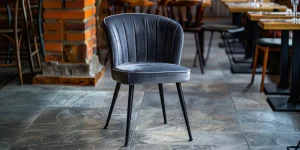
- Upholstery: Fabric, Vinyl and Leather Over Any Frame
- Outdoor Dining Chair Materials and What Survives Weather
- Matching Chair Materials to Table Tops and the Room
- FAQ
What Actually Decides Dining Chair Materials
Four variables settle the dining chair materials question, and none of them is appearance. The first is your cleaning regime — not the one written in the opening manual, but the one a tired closing shift will actually run at 11pm. Porous timber and pale woven fabric both assume a careful wipe-down; vinyl and moulded polypropylene forgive a fast one. Specify for the careless version of your own operation and you will be right most nights.
The second is handling load. Every chair in a room that resets for cleaning gets lifted, dragged or stacked twice a day, roughly 700 times a year. A 7 kg beech frame and a 4 kg polypropylene frame feel identical in a showroom. By the eighteenth month they feel completely different, both to your staff and to your skirting boards. Weight is a labour cost disguised as a specification.
Failure Mode and the Standard That Filters Suppliers
The third is failure mode. Dining chair materials do not simply wear out, they fail in a characteristic place, and knowing where changes what you buy. Wood fails at the joints. Metal fails at the finish. Plastic fails at the colour and at the stress points around the leg junction. Upholstery fails at the front seat edge, always, regardless of what it covers. When you know the failure mode you can either design around it or buy the spares in advance.
The fourth is the standard the chair was built to. In Europe, EN 16139 governs non-domestic seating. It loads the seat, back and arms with forces a home chair never sees: a 110 kg static seat load and tens of thousands of cyclic repetitions. A chair certified to that standard in oak and a chair certified to it in steel are genuinely comparable. A domestic chair in either material is not in the conversation. Get that filter in place before you compare dining chair materials on price, because the cheapest quotes on your desk are usually cheap for exactly this reason.
Wood Chair Frames: Warmth You Pay For Twice
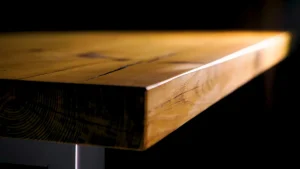
Of all the dining chair materials in commercial use, solid timber remains the default in casual dining and hotel restaurants. Guests never articulate the reason, but it is simple enough: timber reads as permanent. Beech dominates commercial production because it steam-bends cleanly, takes stain and lacquer evenly, and holds a mortise without splitting. Our guide to Turkish restaurant furniture covers where that timber supply sits and why it shortens a project. Oak costs more and carries more visible grain, which suits rooms that want the material to be part of the design. Ash sits between the two with better shock resistance. Rubberwood appears at the budget end — it machines acceptably but is softer, dents earlier, and rarely justifies itself in a high-traffic room.
The genuine advantage of wood among dining chair materials is that it is the only frame you can repair rather than replace. A loose joint gets re-glued and cramped. A scuffed leg gets sanded and re-lacquered. A whole room of chairs can be refinished over a two-week closure at a fraction of replacement cost, and the chairs come back looking new. Nothing else on this list offers that. Over a ten-year horizon, the material that costs most on day one frequently costs least in total.
What Solid Timber Costs You
The costs are real, though. Timber is the heaviest of the dining chair materials, typically 5.5 to 7 kg for a side chair. That makes it the hardest to stack and the most punishing on staff. It also reacts to swings in humidity. A chair beside a kitchen pass or an open terrace door loosens faster than one across the room. It is flammable, which matters where fire regulations apply to loose furniture. Its quality is also almost invisible in a photograph. Two chairs at the same price can differ by a factor of three in service life, depending on the joint.
Specify the joint, not just the timber
Every wooden chair quotation says “solid beech”. Almost none says how the frame is assembled, and that is where the price difference hides. A dowelled-only joint with no corner block will loosen inside two years in a room that resets twice a day. Mortise-and-tenon legs with glued and screwed corner blocks under the seat will outlast the upholstery. Put the joint construction in the purchase order and ask for a cutaway photo before production. It takes one email, and it is the highest-return question you can ask a chair factory.
Mortise-and-tenon + corner block = the joint that survives the fifth yearSolid beech and oak frames, jointed to last
Mortise-and-tenon legs with corner blocks, finished to your stain reference — repairable rather than disposable.
Metal Chair Frames: Strength, Stacking and the Finish That Fails First
Among dining chair materials, metal frames win where density, stacking and structural confidence matter more than warmth. A tubular steel side chair carries the same load as a timber one at a lighter section and a lower price. It stacks six to ten high for events and cleaning. And it never loosens at a joint, because welding replaces assembly. In fast-casual rooms, staff canteens and any venue that clears the floor regularly, that combination is difficult to argue with.
The distinction that actually matters is not steel versus aluminium in the abstract but where the chair will live. Mild steel with a powder-coated finish is the workhorse for indoor use: strong, cheap, available in any colour. Aluminium costs more and is weaker per section, but it does not corrode, which is why it dominates terrace and poolside seating. Chrome plating still appears on classic bistro frames and looks superb in a dry dining room. Yet it is the most fragile finish in the category. A chrome frame in a wet service area, or near a coastal terrace, shows pitting within a year.
Where Metal Frames Actually Fail
Metal fails at its coating, not its structure, and among dining chair materials that makes it the one you inspect differently. Ask for the powder coat thickness. Sixty to eighty microns over a properly phosphated surface is the commercial benchmark. Thin coatings sprayed straight onto untreated tube chip at the foot within months. Once the coating breaks at a leg tip, moisture gets under it and the corrosion spreads sideways beneath a surface that still looks intact. Cheap glides accelerate this — a plastic foot that falls off leaves raw tube dragging on a wet floor every service.
The finish fails years before the frame does
Buyers compare metal chairs on frame gauge and never ask about surface preparation. Then they write the whole set off at year three, because it looks tired rather than because anything broke. Structurally sound frames with blistered coating cannot be cleaned back and re-coating a full room off-site costs close to replacement once you add transport and downtime. Specify the pre-treatment and coating thickness in writing, and keep chrome out of any area that gets wet-mopped or sits within two hundred metres of salt air.
Chrome in a wet service zone: visible pitting in 6–12 monthsMetal restaurant chairs, coated to contract spec
Powder-coated steel and aluminium frames with the pre-treatment and coating thickness specified before production.
Polypropylene and Plastic: Where Moulded Frames Win
Moulded polypropylene changed the low end of the dining chair materials market, and it deserves a fairer hearing than it usually gets from designers. A single-piece PP shell has no joints to loosen, no finish to chip and no fabric to stain. It weighs 3.5 to 5 kg, stacks eight to ten high, wipes clean in one pass, and costs roughly half of a comparable timber chair. For a canteen, a food hall, a fast-casual room or an overflow terrace, those properties beat any romantic argument about material honesty.
Polycarbonate is the transparent cousin, used where a chair needs to visually disappear in a small room. It is harder and glossier than polypropylene, which makes it more scratch-prone in exactly the way a transparent material cannot hide. Glass-fibre-reinforced polypropylene sits at the top of the plastic range. It is stiffer, and it resists the flex that eventually cracks a shell at the leg junction. In any room that runs at capacity, it is worth the premium.
The Weaknesses of a Moulded Shell
The weaknesses are consistent across plastic dining chair materials. Colour is the first thing to go. An untreated PP shell in direct sun fades and chalks within a season. So UV stabilisation is not optional for anything near a window or outdoors. Scratches accumulate and cannot be polished out. Under repeated flex, plastic goes white at stress points before it fails, which at least gives you warning. And light weight, an advantage indoors, becomes a liability on an exposed terrace where chairs migrate in the wind. Realistically these are three-to-five-year chairs in commercial use, and they should be budgeted that way rather than presented internally as a permanent solution.
One further point separates a good moulded chair from a cheap one, and it is invisible until the room is busy. Wall thickness varies enormously between factories working from the same mould geometry, and a thin shell flexes every time a guest leans back. That flex eventually whitens and cracks the leg junction. It is also what makes a cheap plastic chair feel cheap the moment somebody sits down. Ask for the shell weight rather than the dimensions. A heavier shell in the same footprint means more polymer in the wall. That figure predicts service life more reliably than any brand claim. Hybrid frames sidestep the problem entirely. A PP shell sits on a steel or beech understructure, so the metal or timber carries the load and the shell only has to be a surface. That construction dominates the middle of the market.
Dining Chair Materials Compared: Cost, Weight and Lifespan
The table below puts the three structural dining chair materials side by side on the criteria that show up in operation rather than on a spec sheet. Cost is indexed, with solid wood set at 100, because absolute prices move with timber and steel markets while the ratio between them stays fairly stable. Service life assumes a room running two services a day with a normal reset, not a hotel breakfast room that fills once and sits quiet.
| Criterion | Solid Wood | Metal | Polypropylene |
|---|---|---|---|
| Frame weight, side chair | 5.5–7 kg | 4–6 kg | 3.5–5 kg |
| Unit cost index | 100baseline | 65–80steel, coated | 40–55UV grade |
| Stacking | Rarely — 2–4 at best | Yes — 6–10 high | Yes — 8–10 high |
| Repairable on site | Yes — re-glue, sand, re-lacquer | Limited — weld, then re-coat off-site | No — replace the shell |
| First point of failure | Joints | Coating at leg tips | Colour, then leg junction |
| Outdoor tolerance | Poor unless teak or acacia | Good in aluminium, poor in mild steel | Good if UV stabilised |
| Realistic service life | 7–10 yrslonger if refinished | 6–10 yrscoating dependent | 3–5 yrsfade sets the limit |
Reading the Table: Cost per Year of Service
Read the last two rows together and the arithmetic behind dining chair materials gets interesting. Take a polypropylene chair at 45% of the price of a wooden one, with half the service life. That is not the saving it appears to be, particularly once you add the disruption of re-furnishing a room twice in a decade. Metal usually wins on pure cost per year of service indoors. Wood wins whenever the room’s identity depends on the furniture reading as substantial, and it wins outright in any venue prepared to refinish rather than replace. Our guide to restaurant chair lifespan by frame type sets out what actually ends each of these frames and when.
Refinishing beats replacing — but only for solid wood
Sanding and re-lacquering a solid timber chair costs roughly a fifth of buying a new one. A contractor can turn a hundred-cover room around inside a two-week closure. That option quietly halves the ten-year cost of the most expensive material on the list. It does not exist for a moulded shell. It barely exists for a powder-coated frame either, because off-site stripping, re-coating and freight land close to the price of new stock. Ask what the second life of a chair looks like before you compare dining chair materials on price.
Re-lacquer ≈ 18–22% of new chair cost · plastic shell: 0%Upholstery: Fabric, Vinyl and Leather Over Any Frame
Upholstery sits on top of every frame decision, and often outweighs the dining chair materials beneath it. The seat, after all, is what fails first in almost every restaurant. The number to hold on to is the Martindale abrasion rating. Contract-grade fabric starts at 40,000 cycles. Domestic upholstery usually carries a 15,000 to 25,000 rating, and it shows wear on the front seat edge inside a year in a busy room. A supplier who cannot state a Martindale figure is not selling you a contract product, whatever the quotation says. Our restaurant chair fabric guide covers the rub counts, pilling grades and fire tests behind that figure.
Vinyl and polyurethane are the pragmatic choice for high-turnover rooms. They wipe clean with a damp cloth, tolerate the aggressive cleaners a kitchen actually stocks, and come in finishes convincing enough that most guests never look twice. Their weakness is that they do not breathe. A long lunch in a warm room is noticeably less comfortable, and once vinyl splits, no repair is invisible. Genuine leather reverses the trade-off. It breathes and develops a patina rather than wearing out. In return it demands a level of care fine-dining rooms can justify and few others can.
Two Upholstery Errors Worth Naming
Two specification errors recur often enough to name. The first is pale fabric in a room that serves anything red, oily or aimed at children. The fabric stays technically within spec and looks finished within a season. The second is ignoring the cleaning chemistry. Bleach-based sanitiser strips the topcoat from most vinyls. A room can therefore destroy its own seating with a well-intentioned hygiene routine. Match the covering to the chemical your closing shift uses, then to the design intent, exactly as you would with any of the structural dining chair materials. If you want the covering to last as long as the frame beneath it, specify removable seat pads. Replacing a pad is a maintenance task; re-upholstering a fixed seat is a project. The same logic applies at far greater scale to booth and banquette seating, where a re-cover means closing a section of the room.
Outdoor Dining Chair Materials and What Survives Weather
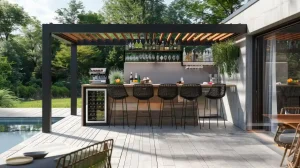
Terrace seating is where dining chair materials stop being a matter of preference and start being a matter of physics. Outdoor conditions attack three things at once: UV degrades polymers and bleaches timber, moisture swells joints and undermines coatings, and wind moves anything light. A chair that performs indoors for a decade can become unusable outdoors in two summers. The failure is rarely dramatic. It is a slow slide into looking cheap, and that costs a terrace its custom long before anything breaks.
Aluminium is the safest structural answer among outdoor dining chair materials. It does not corrode, it is light enough to bring in at night, and powder-coated aluminium tolerates coastal air that would destroy steel. Its weakness is exactly that lightness. An aluminium chair on an exposed rooftop travels, so weighted feet or a nightly stacking routine belongs in the plan. Stools are worse again, and our guide to outdoor bar stools covers why height changes the specification. Teak and acacia are the timber options that genuinely work, thanks to natural oils that resist rot. Both weather to a silver-grey unless oiled annually. That is a maintenance commitment you either accept or budget around. Look for FSC-certified stock; tropical hardwood without a chain-of-custody claim is a reputational risk as much as an environmental one.
Weave, Fixings and Storage
Woven synthetic rattan over an aluminium frame has become the default terrace choice among hotel dining chair materials. It delivers the texture of natural weave with none of its fragility, provided the weave itself is UV-stabilised PE rather than PVC. Untreated polypropylene belongs indoors, full stop. Whatever you choose, specify the fixings in stainless steel. A perfectly weather-resistant chair held together with plated screws bleeds rust streaks down its own legs by the second season.
Storage decides as much as specification does. A terrace that stacks and covers its chairs nightly can run dining chair materials that a permanently exposed terrace cannot. In other words, the storage cupboard you did or did not build quietly sets your material budget. If you have nowhere to put them, buy for full exposure and accept the cost. If you have a store, stackable aluminium becomes viable and your replacement cycle stretches by years. The same logic governs raised seating, because bar height frames sit outdoors more often than anyone plans for. Our guide to how many bar stools you need covers the quantity side of that decision.
Terrace chairs built for weather, not just for summer
Powder-coated aluminium, weather-grade timber and UV-stable weave — stainless fixings specified from the start.
Matching Chair Materials to Table Tops and the Room
Frame material decides durability. It also decides whether the chair looks right beside the table you have chosen. Wood reads warm, metal reads sharp, and stone tops need a frame with enough presence to answer them.
The rule that saves most rooms is simple. Either match the finish exactly from one production run, or contrast it by two clear steps. A near miss between two similar browns is the one result nobody forgives.
Our guide to how to match restaurant chairs and tables covers proportion, finish sample panels and mixing chair models on purpose.
Whichever frame you choose, the cleaning regime decides how long it survives. Our guide to cleaning restaurant chairs sets out the method for timber, metal, woven and moulded frames, and the products that quietly destroy each one.
Material choice only holds up if the maker does. Our guide to choosing a restaurant furniture manufacturer explains how to tell a factory from a trader, and why that difference decides whether a replacement chair still matches in three years.
FAQ
What is the best material for restaurant dining chairs?
There is no single best option among dining chair materials — there is a best match for your cleaning regime, turnover and budget. Solid wood suits rooms that want permanence and can refinish. Metal suits high-density rooms that stack. Polypropylene suits fast-casual and canteen settings where speed of cleaning outranks longevity.
Are wooden or metal dining chairs better for a restaurant?
Of the two most common dining chair materials, metal usually delivers lower cost per year indoors, because it stacks, weighs less and never loosens at the joints. Wood wins where the room’s identity depends on substantial furniture, and where you will refinish rather than replace. That second life closes most of the cost gap.
How long do polypropylene dining chairs last in commercial use?
Three to five years in a venue running two services a day. The frame rarely breaks first; colour fade, accumulated scratching and stress whitening at the leg junction make the chairs look finished before they fail structurally. UV-stabilised and glass-reinforced grades sit at the top of that range.
What upholstery material is best for restaurant chairs?
Vinyl or polyurethane for high-turnover rooms, because they wipe clean and tolerate aggressive sanitiser. Contract fabric rated 40,000+ Martindale cycles for calmer rooms that want comfort and acoustic softening. Genuine leather only where fine-dining service levels justify the care it demands.
Which dining chair materials work outdoors?
The outdoor-safe dining chair materials are powder-coated aluminium, teak or acacia, and UV-stabilised polypropylene or PE synthetic weave. Mild steel corrodes, untreated plastic fades within a season, and standard indoor hardwoods swell and loosen. Whatever the frame, specify stainless steel fixings or the chair will rust-streak itself.
Are metal chairs cheaper than wooden chairs?
Usually, by roughly 20 to 35% at contract grade for a comparable side chair. The saving is real on day one but narrows over ten years. Nobody repairs a damaged powder coat on site, whereas a timber frame sands and re-lacquers for about a fifth of replacement cost.
How do I know a chair is genuinely commercial grade?
Ask for certification to EN 16139 or the equivalent BIFMA standard, and ask for the test report rather than a claim. A commercial chair takes a 110 kg static seat load and tens of thousands of cyclic repetitions. Domestic chairs at similar prices are built to a fraction of that.
Do dining chair materials need to match the table top?
No — contrast between the dining chair materials and the surface with agreement in tone reads better than a literal match. Wood against a slightly different wood looks like an error; wood against HPL, marble or metal looks intentional. Confirm seat height and clearance under the table apron before either order is placed.
More in this category